
Card Prices · 3 min read
Why Palworld TCG Card Values Are Dropping (2026)
By Pal Stars
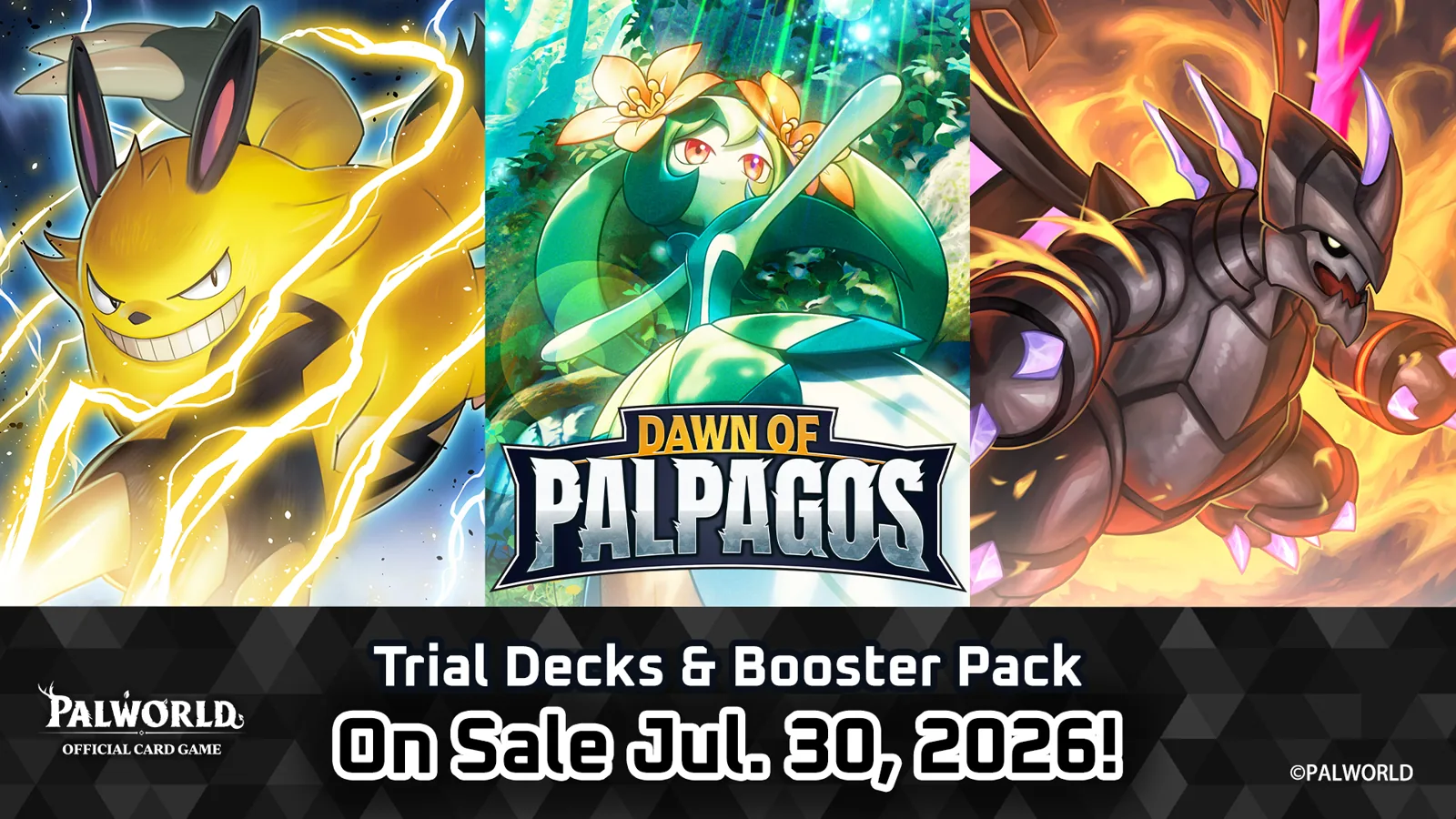
If you checked your collection this week, the red numbers were hard to miss. Prices that looked firm during the first rush for the Palworld Official Card Game have started to slip. Some cards fell a little. Others gave back a large part of their early premium.
That does not mean the game is dying. New card games often go through the same awkward reset once more sealed product reaches stores and buyers stop paying launch-week prices. Here is what appears to be moving the Palworld market now.
The booster box inventory flood
During the opening weeks of Dawn of Palpagos (EBP01), allocations were tight and many local card shops received fewer boxes than expected. Resale prices climbed quickly. With fewer packs being opened, even ordinary singles were harder to find, while chase cards changed hands at prices that were difficult to sustain.
More boxes have since reached sellers. As those packs are opened, the number of available singles rises and buyers have more listings to compare. Sellers then undercut one another by a few dollars at a time. That is enough to pull the visible market down, especially on cards that had only a handful of early listings.
To see how this inventory surge impacts the broader landscape, you can track daily swings on our unified Palworld TCG price index market trends ledger, which monitors live fluctuations across global secondary markets.
The move from collector hype to practical play
The first buyers were largely chasing scarce alternate artwork and other difficult pulls. A small number of sales can make a new card look far more established than it really is, especially when listings are thin.
As organized play develops, attention starts moving toward deck staples. A beautiful card can still command a collector premium, but playable cards have a different kind of demand: players may need several copies, and they need them before an event. That split between display pieces and practical deck cards is becoming easier to see.
Efficient play pieces and resource cards are beginning to settle around prices supported by actual TCGplayer sales rather than optimistic listings. If you are sorting a stack of duplicates or checking a trade binder, the Palworld TCG bulk orders platform gives you a quicker way to review the lot.
The grading pipeline lag
Grading adds another wrinkle. Collectors sent many clean early pulls away in hopes of securing the first high-grade copies. While those cards are out of circulation, buyers have less information about how many premium copies will eventually return.
When the graded cards come back, raw and slabbed prices should separate more clearly. Players can focus on affordable copies for decks, while collectors decide how much extra a verified high grade is worth. That process takes time, and the first asking prices are rarely the final answer.
The verdict: a healthy market evolution
A price drop feels unpleasant when you bought near the top, but lower singles prices also make decks easier to build. The useful question is not whether every card is down today. It is whether sales continue, stores keep restocking, and players keep showing up. Those signals say more about the game's health than one volatile week on a chart.